


Guide complet pour entretenir votre montre automatique
Votre montre automatique représente bien plus qu'un simple garde-temps : c'est un bijou mécanique sophistiqué qui mérite une attention particulière. Pour préserver sa précision et prolonger sa durée de vie, un entretien régulier s'impose. Du nettoyage quotidien au remontage optimal, en passant par la révision professionnelle tous les 5 à 7 ans, découvrez tous les gestes essentiels pour maintenir votre montre en parfait état de fonctionnement.
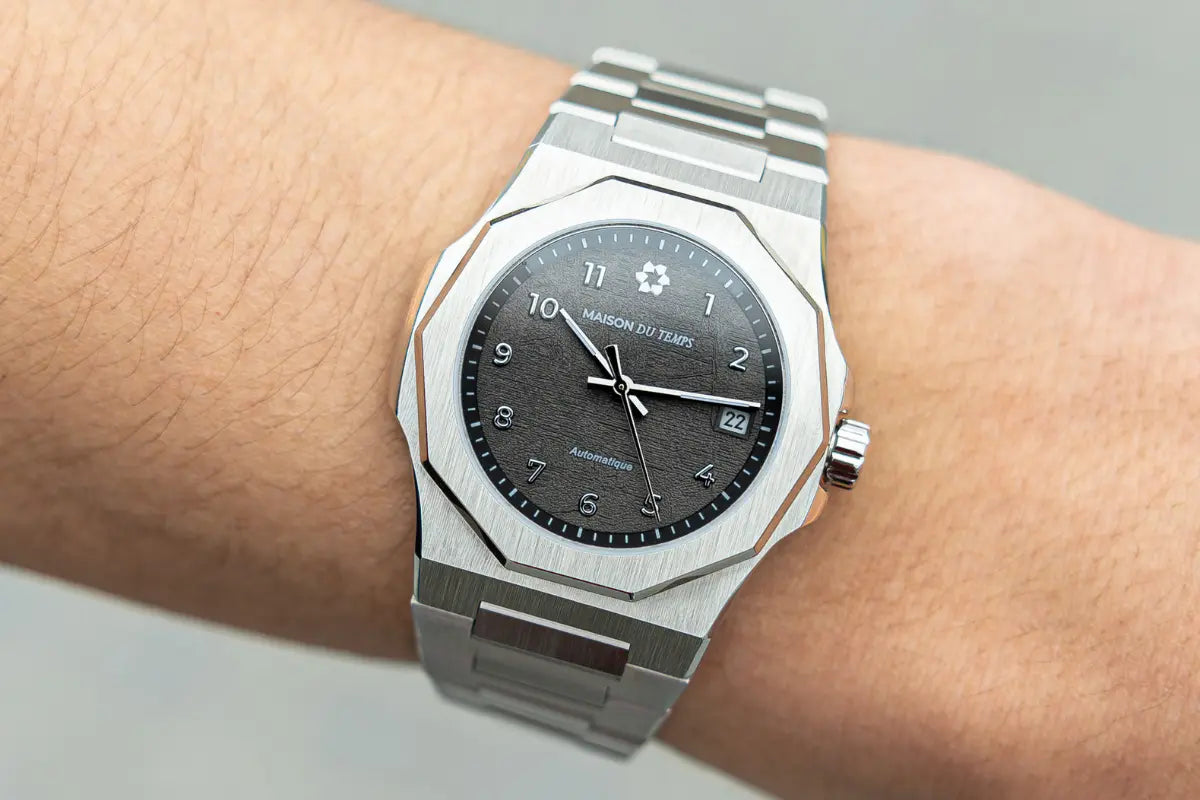
Les 5 étapes clés pour entretenir votre montre automatique Maison du Temps
1. Portez-la régulièrement
Le mouvement automatique se recharge grâce à vos gestes. Si vous ne la portez pas souvent, utilisez un remontoir pour maintenir le mécanisme actif.
2. Nettoyez-la après usage
Passez un chiffon doux et sec sur le boîtier et le bracelet pour retirer la poussière, la transpiration ou les traces de peau.
3. Évitez les chocs et l’eau
Même si certaines montres sont étanches, évitez les immersions prolongées, les environnements trop humides et les activités à fort impact.
4. Rangez-la correctement
Lorsque vous ne la portez pas, placez-la dans son écrin ou sur un support à l’abri de la lumière directe et des variations de température.
5. Faites-la réviser régulièrement
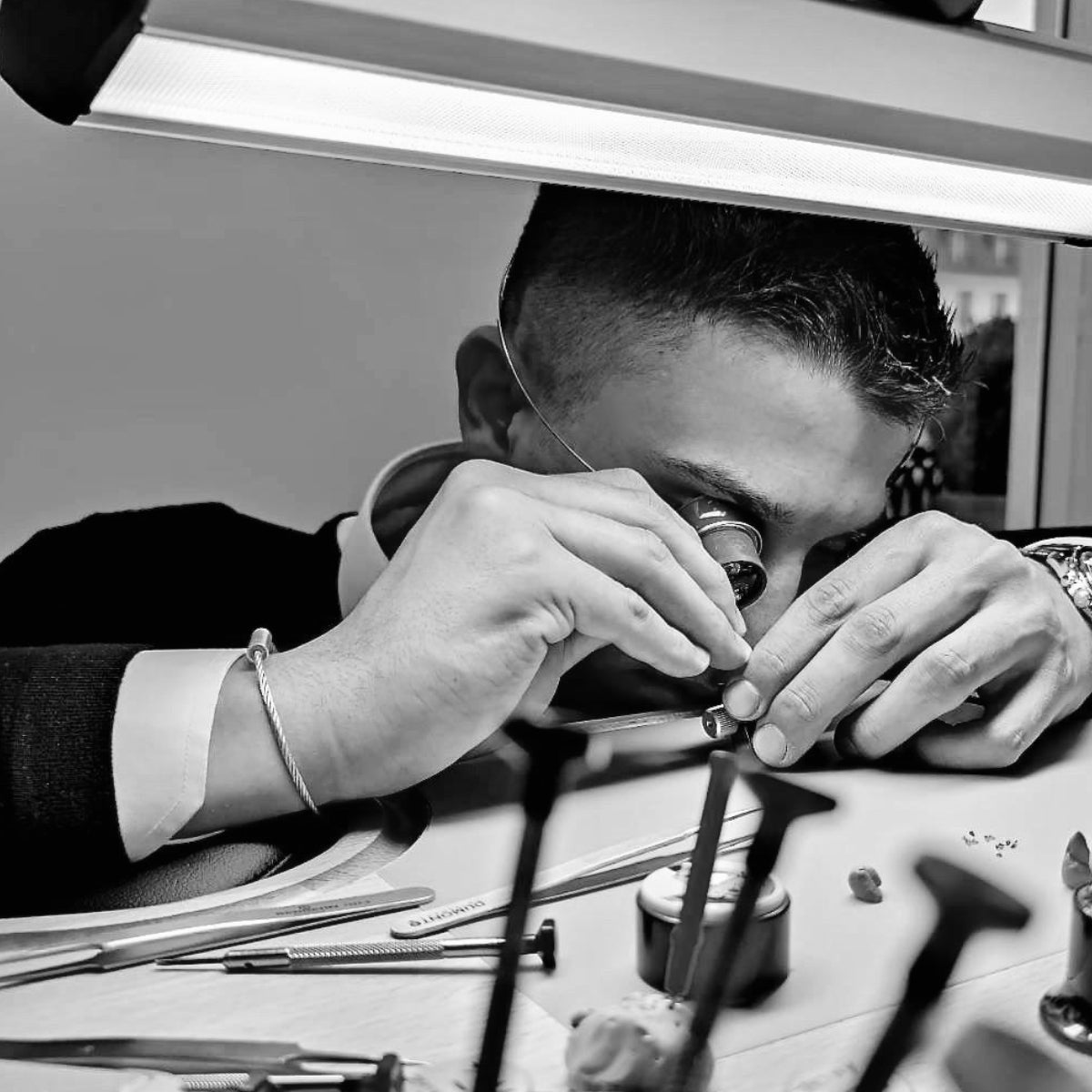
Tous les 5 à 7 ans, confiez votre montre à un horloger pour un nettoyage complet et une lubrification du mouvement.
Comprendre le fonctionnement d’une montre automatique pour mieux l’entretenir
Le principe du remontage automatique
Le rotor constitue le cœur du système de remontage automatique. Cette masse oscillante, généralement fabriquée en acier ou en or, pivote librement à chaque mouvement du poignet. Chaque geste naturel de votre bras actionne ce rotor qui transmet son énergie au ressort de barillet via un système d'engrenages sophistiqué.
L'accumulation d'énergie se produit de manière continue pendant que vous portez votre montre. Même les mouvements les plus subtils suffisent à maintenir le ressort sous tension. Cette réserve de marche permet à votre montre de fonctionner entre 38 et 42 heures selon les modèles MaisonDuTemps, même lorsque vous ne la portez pas.
Certaines montres intègrent un remontage bidirectionnel : le rotor génère de l'énergie quel que soit son sens de rotation. D'autres utilisent un système unidirectionnel avec un mécanisme à cliquet qui optimise la transmission d'énergie dans une seule direction de rotation.
Les composants essentiels du mouvement
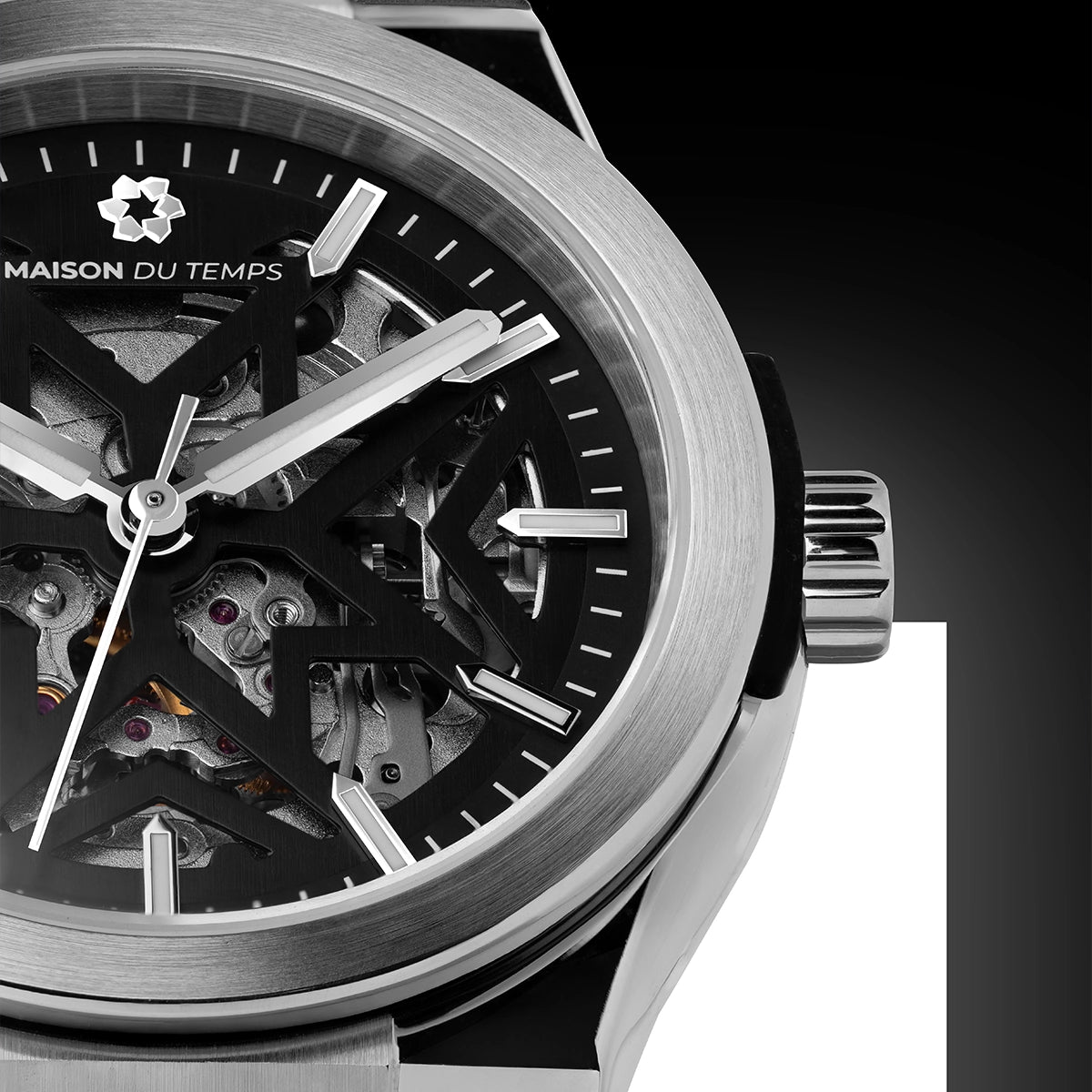
La platine forme la base structurelle qui accueille tous les mécanismes internes. Cette plaque métallique usinée avec précision supporte l'ensemble des rouages et garantit leur alignement parfait. Les ponts viennent compléter cette architecture en maintenant fermement chaque pièce à sa position exacte.
Le ressort de barillet stocke l'énergie transmise par le rotor et la libère progressivement. Sa détente contrôlée alimente le train de rouages qui démultiplie la force jusqu'aux aiguilles. L'échappement régule cette libération d'énergie par impulsions précises, tandis que le balancier oscille à fréquence constante pour découper le temps.
Des rubis synthétiques réduisent les frottements aux points critiques du mouvement. Ces pierres dures permettent aux pivots de tourner sans usure prématurée, préservant ainsi la précision sur le long terme.
La réserve de marche et son importance
L'autonomie de votre montre détermine combien de temps elle continue de fonctionner sans mouvement du poignet. Cette durée varie typiquement entre 40 et 48 heures pour les modèles standards, mais peut atteindre 72 heures sur les garde-temps haut de gamme.
Connaître cette caractéristique vous évite les désagréments du remontage manuel quotidien. Vous pouvez retirer votre montre le vendredi soir et la retrouver encore en marche le lundi matin. L'indicateur de réserve, quand il existe, affiche visuellement l'énergie restante disponible.
Une autonomie insuffisante oblige à remettre l'heure régulièrement, perturbant la précision des complications comme le quantième. Pour optimiser cette durée de fonctionnement, portez votre montre quotidiennement ou investissez dans un remontoir automatique qui simule les mouvements naturels du poignet.
Les étapes détaillées de l’entretien quotidien de votre montre automatique
Nettoyage du boîtier et du bracelet
Retirez d'abord votre bracelet métallique si possible pour accéder aux zones difficiles d'accès. Cette séparation protège également les composants internes des infiltrations d'eau pendant le nettoyage.
Utilisez un chiffon doux en microfibre pour éliminer quotidiennement la transpiration et les résidus accumulés. Pour un nettoyage plus approfondi, préparez un mélange d'eau tiède et de savon doux dans un petit récipient.
Trempez une brosse à dents souple dans cette solution savonneuse. Frottez délicatement les maillons du bracelet et les contours du boîtier de la montre pour déloger les impuretés incrustées. Évitez absolument les produits chimiques agressifs qui risquent d'endommager les finitions.
Rincez abondamment à l'eau claire pour éliminer tout résidu de savon. Séchez immédiatement avec un chiffon propre, en insistant particulièrement entre les maillons où l'humidité peut stagner et provoquer une accumulation de saleté.
Techniques de nettoyage sans risque
Vérifiez toujours l'étanchéité de la montre avant tout contact avec l'eau. Une montre vintage ou de luxe nécessite des précautions particulières pour éviter toute rayure sur les finitions délicates.
Privilégiez un mouvement circulaire doux lors du nettoyage du boîtier. Cette technique préserve les surfaces polies et évite les micro-rayures qui peuvent ternir l'éclat de votre garde-temps. Pour les zones particulièrement encrassées, laissez agir quelques instants avant de procéder au brossage.
La vérification de la couronne reste primordiale : elle doit être parfaitement vissée pour garantir le bon fonctionnement du mécanisme interne. Bannissez tout produit abrasif ou solvant qui pourrait endommager les joints d'étanchéité. Un type de nettoyage adapté selon votre activité physique quotidienne prolongera la longue durée de vie de votre montre automatique.
Fréquence de nettoyage recommandée
Un nettoyage hebdomadaire suffit pour la plupart des utilisateurs occasionnels de montres automatiques. Cette cadence permet d'éviter l'accumulation de résidus sans exposer inutilement votre montre à des manipulations répétées.
Les porteurs quotidiens doivent adopter un rythme plus soutenu. Effectuez un entretien d'une montre tous les 3 à 4 jours si vous la portez constamment, particulièrement pendant les activités sportives ou par temps chaud. La transpiration et l'humidité accélèrent l'encrassement des composants externes.
Certaines situations exigent un nettoyage immédiat. Après une exposition à l'eau salée, aux produits cosmétiques ou à un environnement poussiéreux, n'attendez pas votre prochaine séance d'entretien habituelle. Un rinçage rapide préserve les finitions et évite la corrosion des parties métalliques exposées.
Améliorer la durée de votre montre grâce au remontoir et remontage manuel
Quand utiliser un remontoir automatique ?
Les collectionneurs possédant plusieurs montres automatique trouvent dans le remontoir une solution indispensable. Alterner entre différentes montres devient un plaisir sans contrainte, chaque pièce restant à l'heure et fonctionnelle.
Les montres à complications complexes, comme le quantième perpétuel ou les phases de lune, bénéficient grandement de cet accessoire. Remettre ces fonctions en marche après un arrêt s'avère fastidieux et peut nécessiter l'intervention d'un professionnel pour une réparation délicate.
Votre rythme de vie détermine également ce besoin. Les voyageurs fréquents ou les personnes alternant régulièrement entre plusieurs montres évitent les remontages manuels répétés. Le remontoir préserve la mécanique interne en maintenant la circulation des huiles, prolongeant la durée de vie du mouvement entre chaque révision professionnelle.
Comment remonter manuellement sa montre ?
Retirez votre montre du poignet avant toute manipulation. Cette précaution fondamentale protège le mécanisme délicat des torsions involontaires qui peuvent survenir lors du remontage.
Localisez la couronne sur le côté droit du boîtier. Si votre modèle possède une couronne vissée, dévissez-la délicatement dans le sens antihoraire jusqu'à ce qu'elle se libère. Saisissez fermement cette petite pièce entre votre pouce et votre index.
Tournez la couronne dans le sens horaire en effectuant entre 20 et 30 rotations complètes. Ce moment de connexion avec votre garde-temps vous permet de sentir la résistance progressive du ressort qui se tend. Arrêtez-vous dès que vous percevez une résistance notable pour éviter tout dommage au mécanisme interne.
Remettez la couronne en position initiale en la poussant ou en la revissant selon votre modèle. Votre montre dispose maintenant de l'énergie nécessaire pour fonctionner de manière optimale pendant plusieurs heures.
Le réglage et port optimal pour éviter d’endommager votre montre
Ajustement correct du bracelet
Un bracelet mal ajusté compromet autant le confort que la précision de votre montre automatique. Trop serré, il entrave la circulation sanguine et peut endommager le mécanisme lors des mouvements brusques du poignet.
L'espace idéal correspond à la largeur d'un petit doigt glissé sous le bracelet. Cette mesure garantit une liberté de mouvement suffisante tout en maintenant la montre stable sur votre poignet. Un bracelet trop lâche fait osciller le garde-temps, perturbant le fonctionnement du rotor et réduisant l'efficacité du remontage automatique.
Pour les bracelets métalliques, confiez l'ajustement à un professionnel horloger. Retirer des maillons requiert des outils spécialisés et une expertise technique pour préserver l'intégrité de la structure. Les bracelets en cuir offrent plus de flexibilité grâce à leurs multiples perforations, permettant un réglage personnel selon vos préférences quotidiennes.
Réglage de l'heure et de la date
Respectez scrupuleusement la "zone de la mort" lors du réglage de la date. Cette période critique s'étend de 21h à 3h du matin, moment où le mécanisme de changement automatique est actif. Manipuler la couronne durant ces heures risque d'endommager irrémédiablement les dents du disque de quantième.
Pour identifier le bon moment, positionnez d'abord les aiguilles sur 6h du matin avant toute intervention. Tirez ensuite la couronne au deuxième cran pour ajuster la date, puis au troisième pour régler l'heure avec précision. La trotteuse s'arrête à cette position, vous permettant une synchronisation parfaite.
Une astuce simple vous évite les erreurs : avancez les aiguilles jusqu'à voir la date changer naturellement. Si elle bascule, vous êtes à minuit. Dans le cas contraire, il s'agit de midi. Cette méthode infaillible vous garantit un réglage sans risque pour votre précieux garde-temps automatique.
Protection contre les dangers
Éviter les chocs et vibrations
Votre mouvement automatique abrite des centaines de composants microscopiques qui travaillent en parfaite harmonie. Les impacts brutaux perturbent cet équilibre délicat, pouvant dérégler la précision ou endommager les pivots fragiles des rouages.
Retirez votre montre avant toute activité physique intense comme le tennis, le golf ou le cyclisme sur terrain accidenté. Ces sports génèrent des vibrations répétées qui fatiguent prématurément les ressorts et les engrenages. Même les tâches ménagères impliquant des outils vibrants menacent directement la mécanique interne.
Pour les activités sportives régulières, optez pour une montre spécialement conçue pour résister aux chocs ou laissez simplement votre montre au vestiaire. Un bracelet bien ajusté limite également les mouvements parasites qui amplifient les vibrations transmises au boîtier.
Températures extrêmes et champs magnétiques
Les variations thermiques brutales représentent un danger méconnu pour votre mécanisme interne. Passer d'un environnement glacial à une chaleur intense provoque la dilatation et la contraction des métaux, déréglant la précision de votre garde-temps. Les huiles de lubrification se figent par grand froid ou deviennent trop fluides sous forte chaleur.
Maintenez votre montre dans une plage de température comprise entre 0°C et 50°C. Retirez-la avant d'entrer dans un sauna, près d'un radiateur ou lors d'activités en extérieur par temps extrême.
Quant aux champs magnétiques, ils perturbent directement le spiral et les rouages en acier. Smartphones, ordinateurs portables, plaques à induction et haut-parleurs génèrent des ondes invisibles mais redoutables. Une exposition prolongée peut magnétiser définitivement certaines pièces, nécessitant une démagnétisation professionnelle chez un horloger qualifié.
Étanchéité et contact avec l'eau
L'humidité constitue une menace silencieuse pour votre précieux mécanisme automatique. Même les montres dotées d'une résistance à l'eau peuvent voir leurs joints se dégrader avec le temps, laissant s'infiltrer de minuscules gouttelettes qui oxydent les rouages internes.
Vérifiez régulièrement l'état de votre couronne de remontoir. Une position mal vissée transforme cette ouverture en point d'entrée privilégié pour l'eau. Après chaque exposition à l'eau salée ou chlorée, rincez délicatement votre montre à l'eau douce puis séchez-la soigneusement.
Les variations de pression lors d'activités aquatiques dépassent souvent les spécifications d'étanchéité théoriques. Un simple jet de douche peut générer une pression équivalente à plusieurs mètres de profondeur. Si vous constatez de la condensation sous le verre, consultez immédiatement un horloger qualifié pour éviter des dommages irréversibles au mouvement.
Rangement et conservation
Conditions de stockage optimales
L'environnement de conservation influence directement la longévité de votre garde-temps automatique. Choisissez un emplacement stable, à l'abri des variations d'humidité et des sources de poussière qui peuvent s'infiltrer dans le mécanisme.
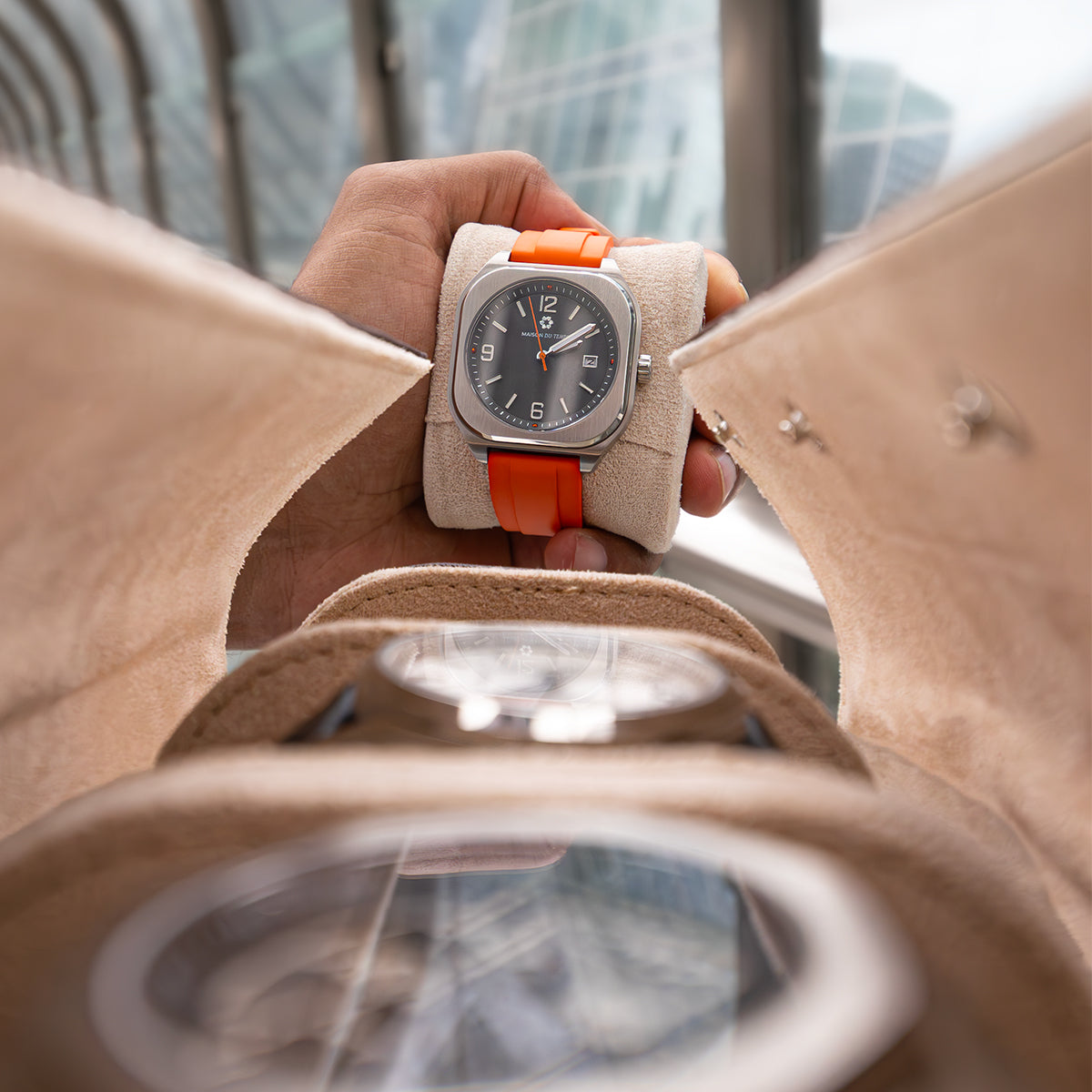
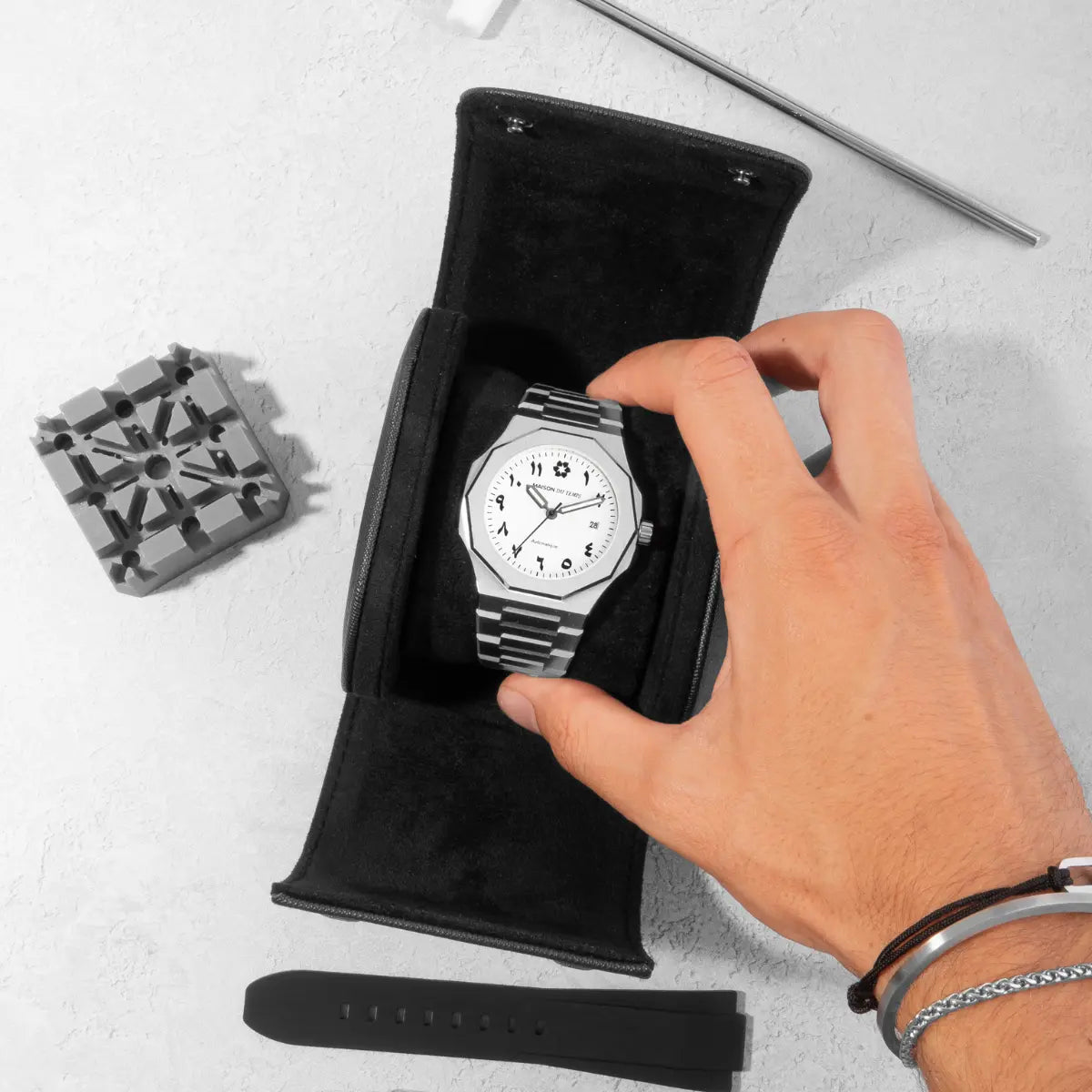
Un écrin d'origine ou une boîte à montres dédiée offre une protection optimale contre les rayures et les chocs accidentels. Ces contenants maintiennent un microclimat stable tout en préservant votre montre des particules en suspension dans l'air ambiant.
Évitez les tiroirs de salle de bain où la vapeur d'eau stagne, ainsi que les placards près des radiateurs. Privilégiez plutôt un meuble de chambre ou un coffre-fort pour les modèles de grande valeur. Pour les collectionneurs possédant plusieurs pièces, séparez chaque montre dans son compartiment individuel pour prévenir tout frottement entre les boîtiers et bracelets métalliques.
Qu'est-ce qui abîme une montre automatique ?
L'usure naturelle des huiles figure parmi les principales causes de détérioration d'une montre automatique. Ces lubrifiants essentiels se dégradent progressivement, créant des frictions entre les rouages qui altèrent la précision du mouvement.
La poussière s'accumule insidieusement dans le mécanisme lorsque les joints d'étanchéité vieillissent. Ces particules microscopiques agissent comme un abrasif, accélérant l'usure des pivots et des engrenages délicats.
Un remontage excessif ou inapproprié endommage le ressort de barillet et les composants de transmission. Forcer la couronne au-delà de sa résistance naturelle provoque des ruptures internes difficiles à réparer.
L'inactivité prolongée nuit également au mouvement automatique. Sans circulation régulière, les huiles se figent et les ressorts perdent leur élasticité, compromettant définitivement les performances chronométriques de votre garde-temps.
Révision professionnelle
Fréquence de révision recommandée
Les montres modernes nécessitent une révision complète tous les 5 à 7 ans selon leur utilisation quotidienne. Cette périodicité varie selon plusieurs facteurs déterminants : la complexité du mouvement, la fréquence de port et les conditions d'exposition.
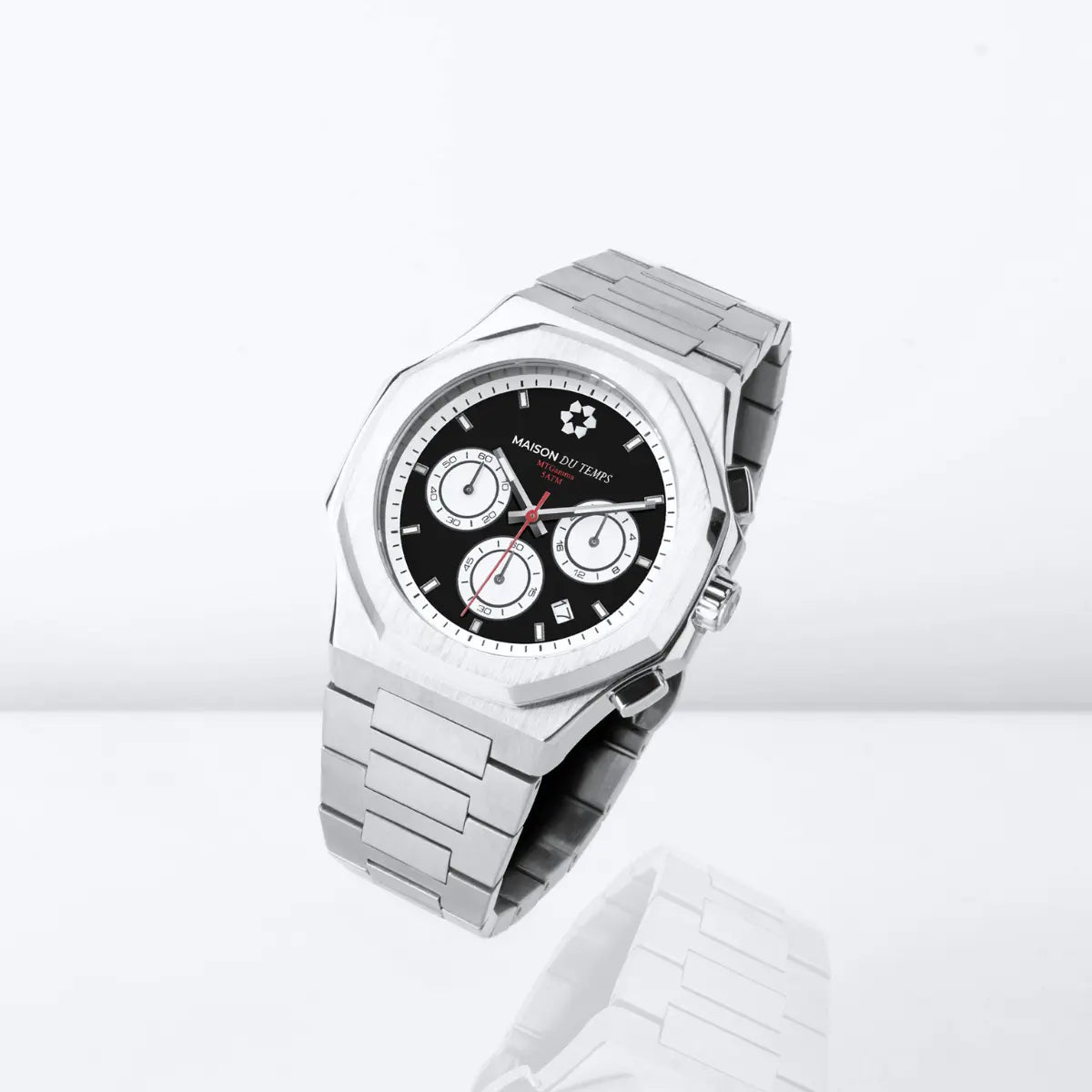
Les montres portées quotidiennement demandent une attention plus soutenue que ceux conservés dans un écrin. Un chronographe automatique exige des révisions plus rapprochées qu'une montre trois aiguilles classique. Les modèles vintage requièrent un suivi tous les 3 à 5 ans maximum.
Certaines marques prestigieuses comme Rolex préconisent des intervalles plus espacés, jusqu'à 10 ans pour leurs calibres récents. Cette recommandation s'appuie sur l'évolution des lubrifiants synthétiques et des matériaux de fabrication. Votre horloger évaluera l'état réel du mouvement pour déterminer le calendrier d'entretien optimal.
Prix révision et coûts d'entretien
Le budget à prévoir pour une révision complète varie considérablement selon la complexité de votre garde-temps. Comptez entre 200 et 500 euros pour une montre automatique standard chez un horloger indépendant. Les modèles avec complications comme un chronographe peuvent atteindre 600 euros.
Le remplacement de pièces d'usure augmente la facture finale. Couronne, joints d'étanchéité ou ressort de barillet représentent des coûts supplémentaires qui peuvent doubler le montant initial. Demandez toujours un devis détaillé avant validation des travaux pour éviter les mauvaises surprises.
Réparation : quand consulter un horloger ?
Certains symptômes exigent une intervention immédiate chez un professionnel qualifié. Votre montre s'arrête brutalement malgré un port régulier ? Le mécanisme présente probablement une défaillance interne grave qui dépasse le simple entretien préventif.
L'apparition de condensation sous le verre constitue une urgence absolue. Cette humidité compromet irrémédiablement les composants métalliques et requiert une déshumidification professionnelle rapide. De même, une couronne qui résiste anormalement au remontage signale souvent une rupture du ressort de barillet.
Les dérèglements chronométriques importants - avance ou retard supérieur à plusieurs minutes par jour - révèlent un déséquilibre du balancier. Seul un horloger expérimenté maîtrise les techniques de réglage sur banc d'essai pour restaurer la précision originelle. N'attendez jamais que ces dysfonctionnements s'aggravent car ils endommagent progressivement l'ensemble du mouvement.
Erreurs courantes à éviter
Manipuler la couronne directement au poignet constitue l'erreur la plus répandue chez les propriétaires de montres automatiques. Cette pratique apparemment anodine exerce des contraintes mécaniques dangereuses sur le système de remontage et peut fracturer des composants internes fragiles.
Porter votre garde-temps sous la douche, même étanche, expose le mécanisme à des chocs thermiques brutaux. L'alternance eau chaude-froide dilate puis contracte les matériaux à des rythmes différents, compromettant l'étanchéité des joints. De nombreux propriétaires négligent également le séchage immédiat après contact avec l'eau salée, laissant les cristaux de sel corroder progressivement les finitions métalliques.
Laisser votre montre immobile pendant des mois représente une négligence coûteuse. Sans mouvement régulier, les lubrifiants se figent et les ressorts perdent leur souplesse naturelle. Cette inactivité prolongée transforme un simple entretien préventif en réparation majeure, multipliant les coûts par trois ou quatre.